Comments
Executive Summary
Alliance to Feed the Earth in Disasters (ALLFED) celebrates its 5th anniversary this year (2017-2022).
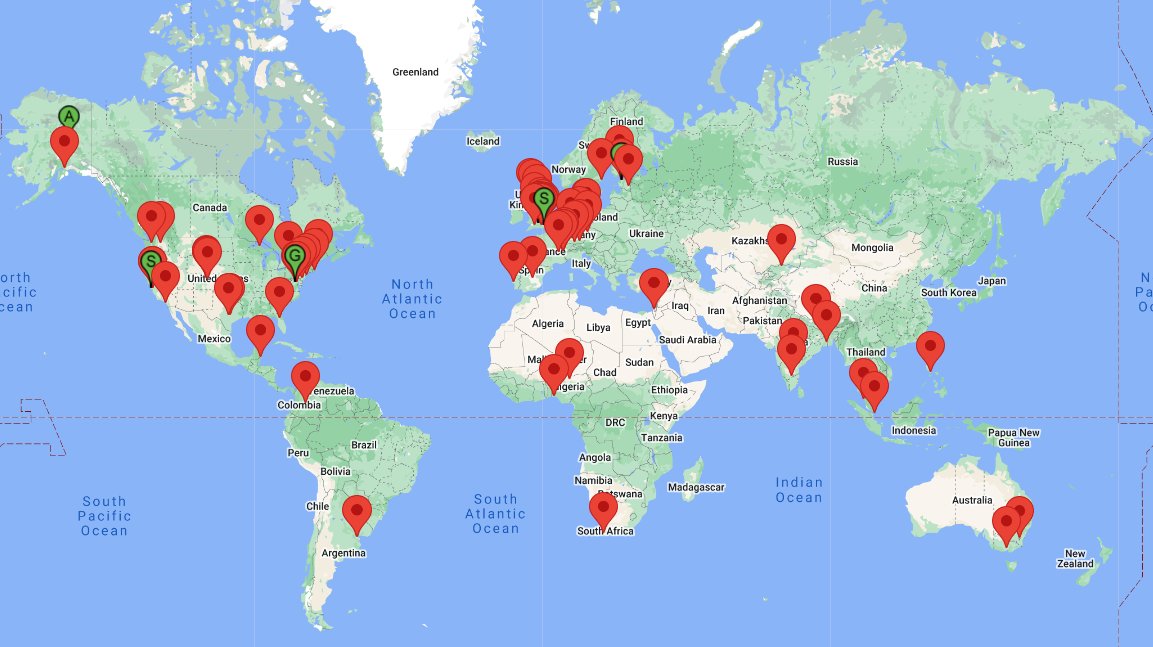
Being a fully remote team, we now have team members on all continents except Antarctica.[1] By the end of the year, we will have a presence in New Zealand due to David Denkenberger accepting a professor position at the University of Canterbury in Christchurch.
Like many others, we are taken aback by recent FTX news, and concerned about what it means for ALLFED and the whole EA Community. Alliance to Feed the Earth in Disasters was an FTX Future Fund grantee. Taking into account the current situation, we were debating whether we should mention it in these highlights. We have decided to do so in the interest of transparency and integrity, so as to accurately report on our January-November 2022 position.
We would like to start with massive thanks to Jaan Tallinn, whose generous support last year through the Survival and Flourishing Fund ($1,154,000) is a major reason why we are able to weather this storm (also a huge thank you to all our other donors, we appreciate each and every one).
In these 2022 highlights:
- To start with, we give updates on ALLFED’s 2022 research, including our papers and Abrupt Sun Reduction Scenario (ASRS) preparedness and response plans, including a recent proposal for the US government.
- Next, we talk about financial mechanisms for food system interventions, including superpests, climate food finance nexus, pandemic preparedness, and our policy work.
- We then move to operations and communications highlights, including our media mentions.
- We next talk about events, workshops and presentations we have delivered this year.
- We then dive into some major changes to our team (including at the management level), ALLFED’s internships and our volunteering program, and also give key statistics from this spring’s research associate recruitment (you will also find there imminent PhD opportunities as well as a temporary researcher position with David in New Zealand).
- Finally, we thank those whose support we wish to especially recognize this year and talk about our funding needs for 2023, which range from dedicated funding to establish an ALLFED UK charity, to resilient food pilots, to support to continue key priority research projects on the topic of resilient foods for nuclear winter-level shocks, and to support preparedness and response plans (essential if we are to be able to present to decision makers within the current policy window).
There is no escaping the fact that, rather unexpectedly, our funding situation has worsened due to the FTX developments. We will therefore be especially grateful for your donations and support this giving season (please visit our donation webpage or contact [email protected] if you are interested in donating appreciated stock).
Since our inception, we have been contributing annual updates to the EA Forum. You can find last year’s ALLFED Highlights here, and here is our last EA Forum post EA Resilience & ALLFED's Case Study.
Research
It’s been a good year for research at ALLFED.
Papers
We have submitted 4 papers to peer review, one of which has now been accepted and published.
Authors: David Denkenberger, Anders Sandberg, Ross John Tieman, Joshua M. Pearce
Status: Published (peer reviewed)
Journal: The International Journal of Disaster Risk Reduction
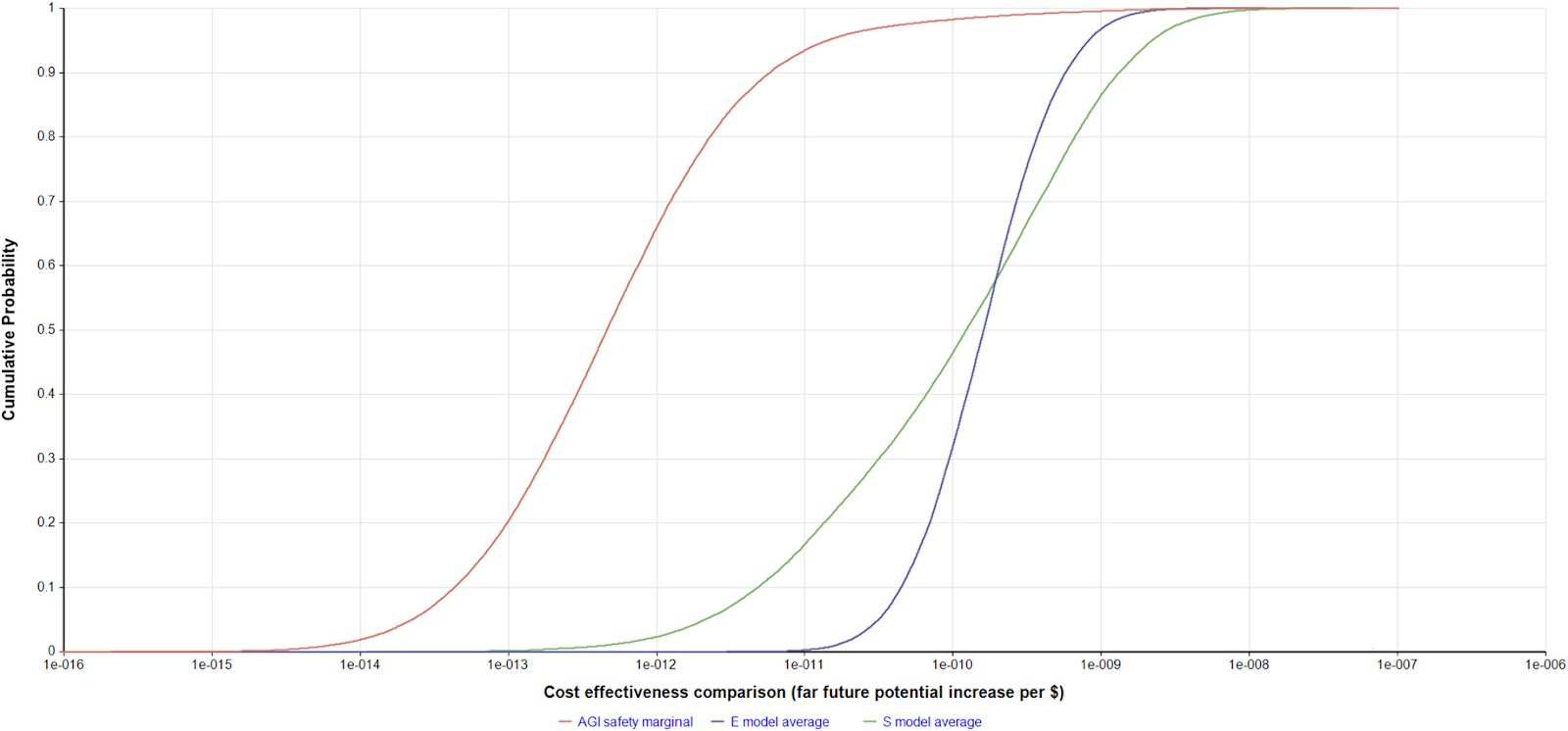
This paper estimates the long-term cost-effectiveness of resilient foods for preventing starvation in the face of a global agricultural collapse caused by a long-lasting sunlight reduction, and compares it with that of investing in artificial general intelligence (AGI) safety. Using two versions of a probabilistic model, the researchers find that investing in resilient foods is more cost-effective than investing in AGI safety, with a confidence of at least 84%, suggesting that resilient foods should be a top priority for global catastrophic risk (GCR)/existential risk (X-risk) mitigation. Authors emphasize the difficulty and uncertainty related to predicting the long-term future, and that research in both resilient foods and AGI safety are currently cost-effective and should attract greater investment.
ALLFED appreciates and acts on useful feedback; good epistemics are very important to ALLFED. We took into account an important criticism we received and modified our work in response to this post - our grant investigator was concerned that we were not correctly accounting for all lines of evidence when estimating a key parameter in our cost-effectiveness analyses, in a way that benefited our narrative. We actively reached out, worked together and updated the model to the satisfaction of both, which in the end did not notably alter the results and conclusions of the analysis.
Authors: Morgan Rivers, Michael Hinge, Juan B. García Martínez , Ross J. Tieman, Victor Jaeck, Talib E. Butt, Florian U. Jehn, Vasco H. A. Grillo, David C. Denkenberger
Status: submitted
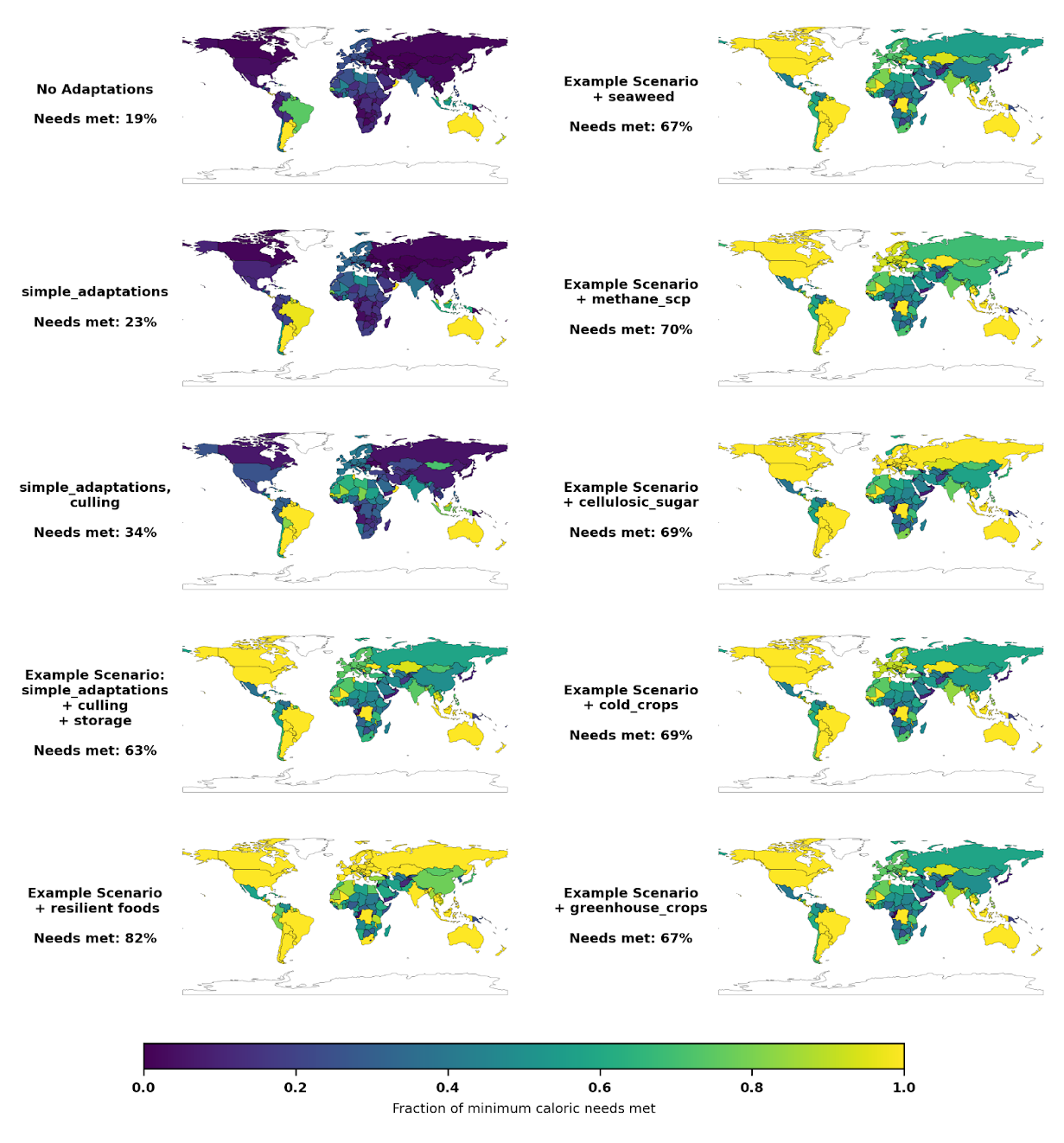
In this paper, we have expanded our integrated model to incorporate the scenario of minimal international trade. The figure below shows the global percentage of people fed is about 19% with no food system adaptations and consuming stored food in the first year. If instead countries would use stored food and culled animals over years and minimize biofuels and human edible animal feed, ~63% of people could be fed globally. Adding resilient foods including seaweed, methane single cell protein, converting paper factories to produce sugar, relocating crops, and scaling up greenhouses, about 82% of people could be fed globally.
Food Resilience Strategies are Needed to Face Disasters, Pandemics, Cataclysmic Conflicts, and Global Catastrophes
Authors: Charles T. Anderson, Deanna Behring, Rachel Brennan, Erin L. Connolly, David Denkenberger, Francesco Di Gioia, Michael Jacobson, Edward Jaenicke, Armen R. Kemanian, Joshua D. Lambert, Jesse R. Lasky, Joshua M. Pearce, John Pecchia, Elizabeth Ransom, Douglas Wrenn
Status: submitted
The recent invasion of Ukraine by Russia and the COVID-19 pandemic have disrupted the global food supply chain. These events have highlighted the need for developing robust food systems capable of handling food security past its resiliency threshold in potentially worse catastrophes. If a long-scale global disaster such as a nuclear conflict happened, conventional agricultural production could collapse, food inequality would worsen, and nutritional insecurity would heighten. Thus, in order to prevent such scenarios, it is crucial to not only develop and research resilient and semi-autonomous food systems, but to also implement them into international, local, and household plans.
Yield and Toxic Analysis of Leaf Protein Concentrate of Common Agricultural Residues
Authors: Theresa K. Meyer, Ross John Tieman, Sam W. Breuer, David Denkenberger, Joshua M. Pearce
Status: submitted
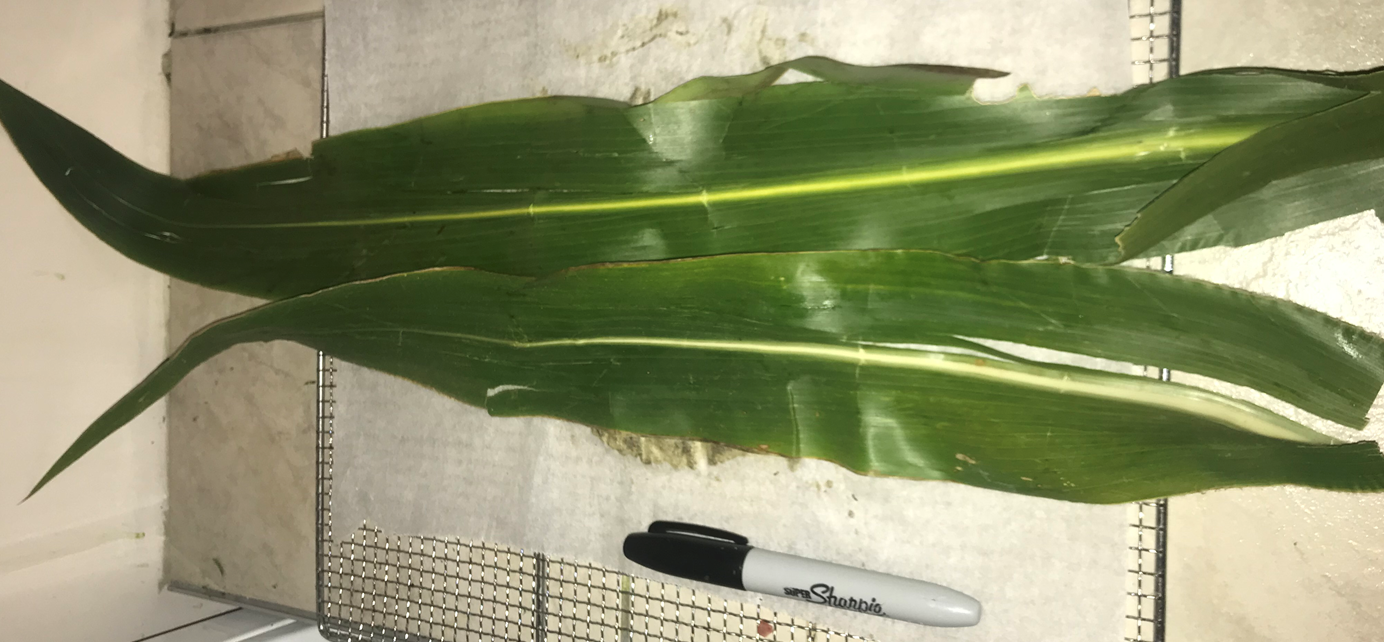
Resilient foods would not only help in catastrophes, but some could be used to combat current malnutrition. One possibility could be the removal of leaf protein concentrate from agricultural residue. However, the most common agricultural residues have not been studied enough for the yields and toxicity that follows the extraction process. This study seeks to do so by using high-resolution mass spectrometry and an open source toolchain for non-targeted screening of toxins of nine agricultural plant residues: 1) corn/maize, 2) wheat, 3) barley, 4) alfalfa, 5) yellow pea, 6) sunflower, 7) canola/rapeseed, and two weeds/agricultural residues: 8) kochia, and 9) round leaf mallow. The results showed that canola, yellow pea, and round leaf mallow should be fit for human consumption due to the lack of toxins found after the extraction process and further investigation should be used to confirm that. However, despite the rest of the crops showing promise, they will require more investigation before they should be deemed safe for consumption.
ASRS Preparedness & Response Plans
In order to increase the chances of a positive response in Abrupt Sunlight Reduction Scenarios (ASRSs), we have started to develop country-level preparedness and response plans to these threats.
We have completed our proposed ASRS plan for the United States, as ALLFED’s place of origin and a country with a wide range of relevant capital, skills and geographic diversity, making it an ideal test case. We are ready to assist, and welcome approaches from governments to help them develop other similar plans.
ASRS Plan Proposal for the USA
Recent research by another team suggests that in the absence of food system adaptations, crop output across the United States could fall to around one percent of pre-disaster levels in a severe ASRS.
However, ALLFED believes that with the intelligent use of stored foods, system adaptations and the production of resilient foods, food consumption could be close to present day levels. With such a response it should be possible to produce enough food in the United States to meet the needs of over 600 million people. This would allow a variety of foods to be consumed post disaster, along with some exports, supporting the consumption of hundreds of millions worldwide. This is laid out in the diagram below, based upon the results of our research and the resources and projected post disaster climatic conditions in the United States.
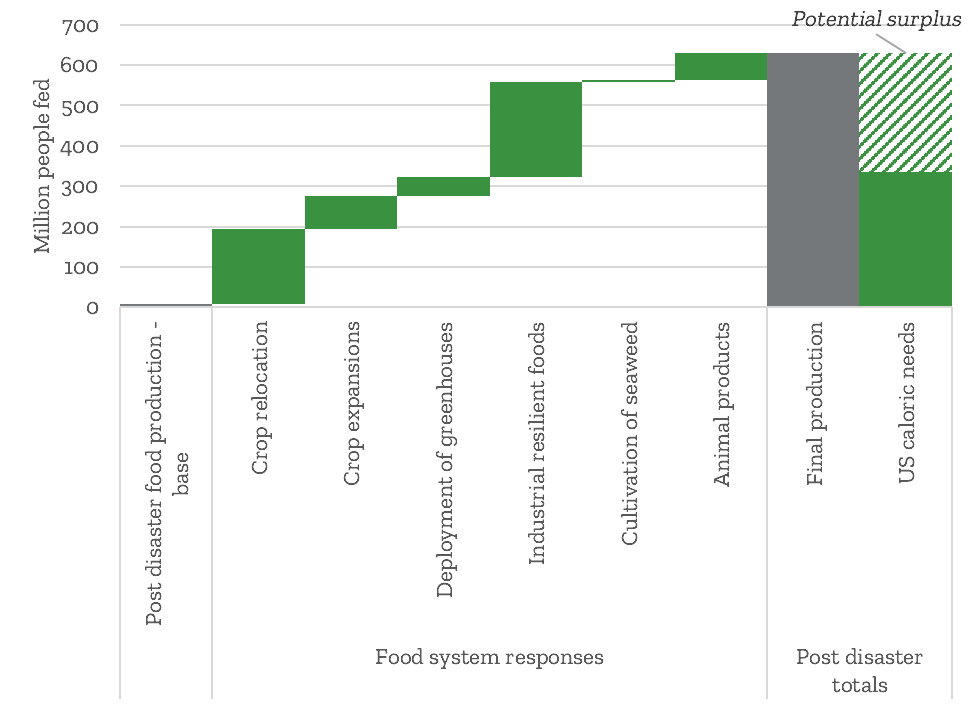
Furthermore, many of these proposed actions could be of use in additional scenarios beyond ASRS. For example, the recommendations in this report would be useful to mitigate or respond to agriculture disruption caused by climate change, pests and diseases (either human or crop-based), and global conflict.
Other Research
- Blue Economy Futures: Mariculture Development in the ASEAN Region
Authors: Farrah Jasmine Dingal, Noah Wescombe, Sahil Shah, David Denkenberger
By empowering local and regional decision-making, socially and culturally resilient coastal communities would be much more likely to be prepared for natural disasters, thereby reducing risks and vulnerabilities and avoiding losses and damages. Moving forward, scaling seaweed production between and within ASEAN member states will entail multi-interest multi-participatory community-based approaches with a focus on localisation, appreciative inquiry, and behavior change. Redesigning and co-designing food systems in this manner will not only center Action on Food but also increase resilience to the compounding cascading impacts of climate change-induced stress and extreme weather events. - Morgan Rivers was awarded 1 year’s use of the JASMIN computer cluster.
- ALLFED contributed some Metaculus questions related to our focus areas.
- Five ALLFED team members were selected to participate in a forecasting tournament by Phil Tetlock’s research team (Hybrid Forecasting-Persuasion Tournament). We took part as GCR experts and were paired with other experts and superforecasters into groups. Each group was asked to provide forecasts to several questions related to existential risks and global catastrophic risks (as well as additional bonus questions). We look forward to the results of this study being published.
- ALLFED’s researchers have delivered over 20 presentations on our work.
Here is one example: “Global Catastrophic Food Shocks” presentation by Juan Garcia Martinez for EA Lausanne (in Switzerland) 2022
Financial Mechanisms & Policy
Financial mechanisms and policy are generally distinct areas of ALLFED’s work.
They feature several key work streams.
Financial Mechanisms
- Superpests
We have completed the first draft of a preliminary integrated scoping document, which includes work on locusts and fall armyworms. We have shared the preliminary locust modeling work with the Google Locust team who are well-resourced and ready to tackle the hazard modeling component of this. We are currently exploring the formation of a Working Group to pool expertise on this issue and expand resourcing. - Climate Food Finance Nexus
We have submitted a technical scoping document to the Food and Land Use Coalition to further the work developing a Food System Stability Board. This is an example of where our impact can be in facilitating ideation and then handing off to a more stakeholder-legitimate source. We have also proposed a Working Group for developing the concept post-COP-27. - Pandemic Preparedness
We have developed a model investigating pandemic risk posed by Emerging Infectious Disease (EID) mediated by travel networks has been developed and presented at Cambridge Conference on Catastrophic Risk and Decision Making under Deep Uncertainty conferences. Follow up work is being scoped on an impact bond or alternatives regarding EID surveillance and/or containment.
Policy Work
- We provided briefings to several NATO governments and UN agencies in the early stages of the Russia/Ukraine war to estimate downstream impacts of the war on global food security, along with recommendations for fertilizer supply, supply chain stabilization and ramping up global food production. We understand these briefings helped inform global horizon scanning and ongoing response for large nation states and development finance institutions.
- We have organized and conducted briefings for senior officials across food security, and other sectors in several permanent members of the UN Security Council on nuclear winter impacts, policy considerations and resilience options. These included recommendations on how to assess the impacts on critical infrastructure, potential governance mechanisms for this, policy stances to minimize escalation risk and the role of resilient foods and a more resilient food system in mitigating nuclear winter impacts.
- Several media appearances for preeminent nuclear winter scientists across international media have been facilitated. These included the risks of nuclear escalation, the downstream nuclear winter impacts and what these would depend on. Introductions have also been made, and print interviews have been facilitated to organizations such as Politico.
- We are currently facilitating an international, independent study on the food system impacts of nuclear war, across several national science organizations. Coordination is being done with the International Science Council, along with some of its members. This would aim to increase credibility of nuclear winter modeling to subsequently strengthen policy engagement work on food system resilience and foreign policy.
- In collaboration with the University of Cambridge, we are currently facilitating gathering of data in nuclear weapon states (NWS) on public nuclear winter awareness and sentiment on nuclear weapon use (to better guide future messaging on this issue, along with engagement with relevant parties in the current Russia/Ukraine conflict). This incorporates polling design, implementation, analysis, along with narrative design, media communications, direct P5 government engagement and a media co-ordinating role with a number of think tanks. This work has been kindly funded by a grant from SoGive and in-kind support from Clearer Thinking.
Communications
Much of ALLFED’s external communications this year took place by way of direct work with partners and governments, in particular in relation to financial mechanisms and specifically policy work above.
After 2 years of Covid-19, we also made a point to increase our presence at conferences and other events, with a number of presentations and numerous opportunities to meet the ALLFED team (see below).
To mark ALLFED’s 5th year, we revisited our branding and created a cohesive branding strategy to take ALLFED forward. ALLFED Brand Guidelines V.2 also incorporate totally new elements, such as the language and terms to use (and not to use) to make our work accessible to different audiences.
In terms of internal communications, we learned about NVC (Non-Violent Communications), how to critique constructively, voice and talk about challenging matters (working in global catastrophic risks we have plenty of them), and how to appreciate one another more, and more specifically.
Media Mentions
Importantly, earlier this year, we significantly increased our media handling capacity and trained several ALLFED team members in interacting with the media and talking about ALLFED’s work in particular.
 | Phillip Maughn of BBC Future draws extensively on ALLFED's work in his recent article on how an asteroid impact would transform the food we eat. Let us repurpose and reimagine our food system!
|
 | Tom Whipple of The Times hypothesizes a scenario in which a global nuclear conflict has resulted in the sun being blocked for a decade. In such a case, we can survive only if we are prepared; Juan Garcia from ALLFED suggests that this is possible with global cooperation and by developing and researching resilient foods now. Full article here |
 | David Denkenberger and Morgan Rivers explored ways of scaling up resilient food options such as using seaweed, repurposing paper factories for the production of sugar, converting natural gas into protein, and relocating crops that may give us the best chance of survival in the possible scenario of a nuclear war as detailed by Science writer Zack Savitsky.
|
 | Effectief altruïsten willen de wereld op een zo efficiënt mogelijke manier verder helpen. Wat hen bindt is de gemeenschappelijke vijand die moet worden bestreden: de problemen in de wereld die kunnen worden opgelost. En daarbij zijn ze niet vies van geld.
|
Our other media presence this year includes (in date order):
- Mike Hinge on Feeding Everyone in a Disasters kicked off the year with a podcast (Hear This Idea, January 2022)
- 80,000 hours' featured David Denkenberger in latest career profile on engineering for career impact (80,000 Hours, March 2022)
- The Grocer covers how humanity could respond and survive in “How to eat in a nuclear war: what our food system would look like post-apocalypse” (The Grocer, August 2022)
- “The Reluctant Prophet of Effective Altruism”, an article in the New Yorker profiling William MacAskill, mentions ALLFED and our work (The New Yorker, August 2022)
- Most recently, Med journal featured Juan Garcia in their ‘Voices’ issue about why we need better food resilience for global catastrophic food shocks (Med, November 2022)
Additionally, Juan has profiled our work in Spanish (el coordinador de investigación de ALLFED, Juan García, ha escrito un artículo en español sobre riesgos catastróficos globales de la producción alimentaria para su proyecto de divulgación y concienciación ante RCGs (riesgoscatastroficosglobales.com), explicando en qué consisten y cómo actuar ante ellos).
We are especially pleased with this and our other non-English coverage, as making our research available in other languages is one of the key points of ALLFED’s communications strategy.
Operations
Our operations team has been extremely busy this year.
Systems
Most importantly, our 501(c)(3) registration came through this year (like many others, it had been delayed due to Covid-19 pandemic). This means we can now function as an independent US non-profit, rather than relying on a fiscal sponsorship umbrella. This came with significant operational implications, which have been the focus of much attention from our operations team this year.
We have further worked on:
- a complete review and overhaul of all our systems, across all areas of ALLFED,
- ALLFED CRM, a major new system implementation (which also generated our nice team map in the Executive Summary),
- data quality and data management,
- data compliance (including GDPR),
- and related team training.
Resilience
In 2022, we furthered our work on external as well as internal resilience (preparedness and response).
ALLFED’s external resilience work this year has mainly been via research and financial mechanisms, as described in the sections above.
In March 2022, following the Russian invasion of Ukraine, Sonia Cassidy, ALLFED’s Director of Operations and also Director of Communications, assembled a case study of our organizational response. Published as an EA Forum post, EA Resilience & ALLFED's Case Study also looked at the broader question of the resilience of the EA community itself, our ability to mobilize response teams, potential resilience centers as well as some questions and opportunities arising therefrom.
To date, there have been 3 activations of our internal response team in 2022 (of which one has been the Russia-Ukraine war, and one due to the FTX situation). We have further tested, practiced and improved our response capabilities across the team.
Events & Presentations
2022 saw us emerging from COVID-19 lockdowns and back out in the world, with plenty of opportunities to learn about ALLFED’s work and meet our team.
This year so far, we have:
- conducted 1 ALLFED workshop, 1 salon and 1 breakfast briefing,
- delivered over 20 presentations,
- Attended over 30 events, workshops and conferences.
ALLFED Events & Workshop
So far in 2022 we have produced an ALLFED workshop (in the USA) as well as an ALLFED Salon and a breakfast briefing (in the UK).
ALLFED Workshop @ Future Forum 2022
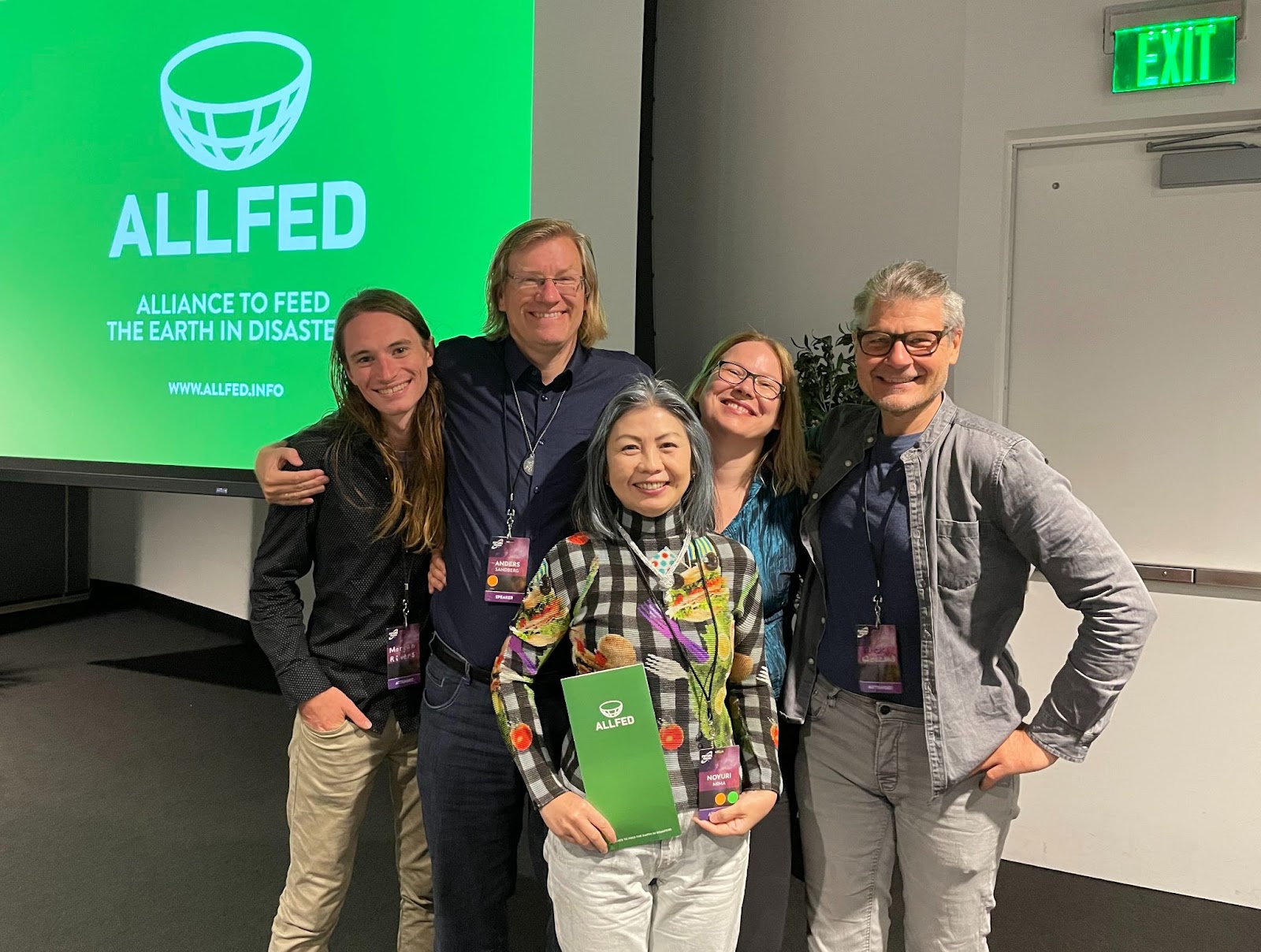
In August 2022, we led a workshop for the Future Forum conference in San Francisco. The workshop explored the intersections of food systems with various cause areas (animal welfare, space exploration, refuges, and global food catastrophes) and featured briefings by ALLFED’s in-conference team (Dr. Anders Sandberg, Morgan Rivers and Sonia Cassidy) as well as remote presenters (Juan Garcia, Alexey Turchin and our guest Ian McKay).
ALLFED Salon & Breakfast Briefing
In London, Rick Holland, our Director of Development hosted 2 in-person events this year: a summer salon and an autumn breakfast briefing. They both included lively discussions around extreme risk, nuclear winter, and similar. The goal was to develop and grow partnerships and collaborations and meet with those interested in learning more about our projects and supporting ALLFED’s work (including prospective donors who wish to learn more and discuss funding opportunities).
If you are interested in attending in-person events like this in the future, please feel free to contact us via https://allfed.info/contact.
Presentations
We have given over 20 presentations to date this year, in a range of contexts, from large international conferences to local EA groups.
These included (in date order):
- RISK-Knowledge Action Network Workshop on Understanding and Modeling Complex Risks in Coupled Human-Environment System 2022 (February)
- EAGxOxford 2022 (March)
- CSER Cambridge Conference on Catastrophic Risk 2022 (April)
- EGU General Assembly 2022 (May)
- High Impact Medicine Speaker Event on Nuclear Risk (June)
- NTI’s Global Nuclear Effects Conference 2022 (June)
- PennState Symposium on Emergency Food Resilience 2022 (August)
- EAGxBerlin 2022 (September)
- The Society for Decision Making Under Deep Uncertainty 2022 Annual Meeting (November)
- Future of Food Production Summit 2022 (November)
We have also presented to multiple local EA groups around the world throughout the year including: EA Brown, EA Bahamas community, EA Czech, EA society at the London School of Economics. Here is one example of Juan’s presentation for EA Lausanne (featured in more detail in the research section above).
Events Attended
Our team attended a number of EAG events this year, including EAGxOxford 2022, EA Global: London 2022, EAGxPrague 2022, EAGxAustralia 2022, EA Global: San Francisco 2022, EAGxSingapore 2022, EAGxBerlin 2022, EA Global: Washington, D.C. 2022, and EAGxVirtual 2022.
We also took part in multiple conferences and workshops, including:
- First Meeting of States Parties to the Treaty on the Prohibition of Nuclear Weapons,
- IDF Summit 2022,
- High Impact Medicine Speaker Event on Nuclear Risk,
- UNEP workshop on Achieving environmental sustainability for sustainable development.
We always enjoy and appreciate CSER’s events and workshops. This year, we took part in:
- CSER GCR Conference and Lightning Talks 2022,
- CSER Workshop: Global impacts from volcanic eruptions,
- CSER Workshop: Creative communication to address global catastrophic risks,
- GCR-Science Policy Interface Workshop.
Our Team
This year has seen significant changes to our team, with changes at Board and management levels and several new team members.
You can see our core team members at our website.
Management
David Denkenberger, Sonia Cassidy, and Anders Sandberg have accepted additional appointments as the legal board of directors of the independent USA entity (due to our 501(c)(3) registration coming through).
At the same time, there has been a changing of the guard on our Board of Advisors:
- We welcomed Curtis Rodgers, who brings with him a wealth of hands-on construction, engineering & process improvement experience, having supported complex commercial, power, infrastructure, mining, and federal projects. Curtis’s appointment reflects our growing interest in hands-on resilient foods projects, and specifically pilots and industrial foods.
- We said goodbye to Gorm Shackelford, who has been with us since the very beginning of ALLFED (2017). We would like to take this opportunity to thank him for his five years of service.
- We are looking for additional board members.
There has been a further significant change at the management level, with Ray Taylor, ALLFED’s second co-founder (alongside David Denkenberger) stepping back from ALLFED in order to pursue new projects. We would like to take this opportunity to thank Ray for all his contributions to ALLFED over many years (in addition to co-founding it in the first place!). While he has now moved on from ALLFED, we remain grateful for the many key team members whom he recruited over the years for us.
Opportunities
David Denkenberger will soon be starting an associate professor position at the University of Canterbury in New Zealand and is recruiting for PhD students and a temporary researcher position.
Recruitment
Additionally, spring and summer of 2022 saw a major recruitment drive (largest in the history of ALLFED). It resulted in multiple appointments and several new roles across all areas of ALLFED, including 6 new Research Associates, a new Communications Associate, and 3 further roles within the operations team.
Throughout the recruitment process, we experimented with and tested new processes and procedures. One such innovation, for example, was inviting shortlisted Project Coordinator/Manager candidates to interview us early on in the process. In group calls, they were invited to ask any questions they wanted to formulate their assessment of ALLFED’s project management maturity and whether we were a good organizational fit for them. Those who continued were then tasked with formulating recommendations for further improvements to our systems, based on the information they had obtained. Customary candidate interviews did not take place until the very last stage of the recruitment process (thus considerably cutting down the number of individual interviews).
Some Research Associate recruitment insights, which may be of interest to readers of the EA Forum, include the following highlights from our Research Associate recruitment:
- Stage 1: 196 candidates applied,
- Stage 2: 120 candidates were invited to complete a research task,
- Stage 3: 35 candidates were invited to to an interview,
- Stage 4: 21 candidates were invited to do a paid work trial (including 5 internal candidates who were assessed according to the same criteria),
- Stage 5: 15 candidates completed their work trial,
- 6 candidates were hired as Research Associates (3 of them previous volunteers),
- 1 Research Associate candidate was redirected at Stage 3 to apply for a different role within ALLFED (and was hired as a Communications Associate).
We are especially pleased to have welcomed first team members from under-represented corners of the globe to our remote team (we now have a foothold in Africa and South America).
Interns & Volunteers
Our internship program (launched last year) has matured, with 5 interns in 2022. This is a structured program, with a considerable amount of professional development.
We have had the largest ever number of volunteer applications, to the point of needing to revise our volunteer intake criteria half way through the year (we no longer accept applicants wishing to volunteer under 10 hours per week, unless they have particularly valuable expertise). Even so, we have so far welcomed 42 volunteers this year.
Team Events
This section would not be complete without a brief mention of team events. As a fully remote team, we take every opportunity to meet whenever we can. This year, we opted in favor of many smaller get-togethers rather than a big team retreat. Wherever we met, much fun was had by all. :)
Funding Needs
ALLFED continues to be funding constrained.
The heightened geopolitical tensions from the 2022 Russo-Ukrainian conflict bring the urgency of our work to the forefront. Our research has the potential to be used as the basis for establishing the food system preparedness that is sorely lacking in the world today. Sufficient funding is essential if we are to be able to present to decision makers within the current policy window.
- Further funding could be used for the integration of resilient foods with economics and various cooperation scenarios, feeding into more country level plans, which we estimate as ~5 FTE with support ($500,000).
- We are looking for support to continue key priority research projects on the topic of resilient foods for nuclear winter-level shocks, including: simulation of the large scale relocation of cool-tolerant crops (the highest leverage food solution according to the above), in-depth analyses of greenhouse technology and seaweed for resilient food response, technology readiness level analysis looking to identify key resilient food tech gaps, and decentralized production of leaf protein concentrate. We estimate the funding needed as ~5 FTE with support ($500,000), including growing the team and hiring for this.
- We are looking for funding to overhaul the more neglected line of research on interventions to increase resilience and response capabilities to scenarios involving extreme, abrupt collapse of critical infrastructure (e.g. loss of electricity/industry), including: covering immediate needs of population (i.e. water access at the onset), designing a resilient backup communication system which may be satellite-based and low-tech transportation systems, defining how an effective resilient food response to this scenario would look in this scenario, and developing the required methods and tool designs to achieve it. We estimate the funding needed as ~3 FTE with support ($300,000), including growing the team and hiring for this.
- We have large room for more funding to further develop the most promising resilient foods in the GCR context. Pilots include repurposing a paper factory to produce food, fast construction of natural gas to protein factory, fast construction of an extruder for greenhouse covers, and fast construction of a rope twister for seaweed production.
- The USA and the UK are currently ALLFED’s main hubs. Having established an ALLFED 501(c)3 not-profit in the USA, we are now looking to establish an ALLFED UK charity. This will require its own dedicated funding.
Our Thanks
We would like to take this opportunity to thank a number of individuals for their support of ALLFED this year.
Firstly, our thanks to ALLFED’s many donors and collaborators for their ongoing support of ALLFED. It is your generosity that enables our work.
We would also like to thank our many partners and collaborators this year, in particular:
- Our thanks to the Open Philanthropy funded nuclear winter project, in particular Lili Xia and Jonas Jägermeyr for help with crop modeling and Cheryl Harrison on ocean modeling and seaweed.
- We are grateful to Julia Wise for her helpful comments and feedback.
- We appreciate Tom Denkenwolf for his advice on asset allocation and investing.
- We are thankful to Chris Landry of SigParser for his generosity and above-and-beyond support in boosting our contact management capabilities.
- We thank Angelo Tirotto, our graphic designer, for making us look good, and in particular for his many late nights and the considerable time he volunteered towards creating our extended brand guidelines.
- We are impressed with Philip Walton of Softforge for superb website development and support, and zero unplanned downtime.
This acknowledgement would not be complete without thanking our whole team for their ongoing work and commitment. We would like to in particular acknowledge:
- Allen Hundley, our longest-standing volunteer (with us since 2016, before ALLFED was even founded!),
- Anders Sandberg and Robin Hanson, for their 5 years on ALLFED’s Board of Advisors and still going strong,
- Scott David, also on our Board of Advisors, whose energy and enthusiasm for ALLFED make him one of our very best ambassadors. We highly appreciate our regular meetings on developing suitable impact indicators for ALLFED,
- Greg Colburn, for all his work on ALLFED’s UK charity registration,
- Juan García Martinez, our Research Coordinator, for being a star and also accepting a major responsibility of second-in-command of ALLFED’s research,
- Morgan Rivers for his heroic effort on the integrated model of resilient foods and for independently securing $30K of funding (via ACX Grant grant),
- Amanda Cassidy, our CRM Manager, for her patience and dedication in restructuring and organizing all our contact data accumulated over 5 years of ALLFED (it has been a huge job),
- David Denkenberger for continuing to take a large negative salary for all his work.
- Sonia Cassidy, for juggling more hats and commitments than anyone else at ALLFED. In her role of Director of Operations she is a tour de force of multitasking and getting things done, and deals with many of the toughest challenges at ALLFED. We also thank her for producing these annual highlights, in her role of Director of Communications.
- ^
Though we would like to see some of the artificial light food produced at the South Pole complemented with more efficient alternatives!
Post summary (feel free to suggest edits!):
Highlights for ALLFED in 2022 include:
ALLFED is funding constrained and gratefully appreciates any donations. The heightened geopolitical tensions from the Russo-Ukrainian conflict create a time-limited policy window for bringing their research on food system preparedness to the forefront of decision makers’ minds.
(If you'd like to see more summaries of top EA and LW forum posts, check out the Weekly Summaries series.)